Blackjack Insurance and Even Money: What the Side Bet Really Costs
- First opened
- Bench time5 minutes
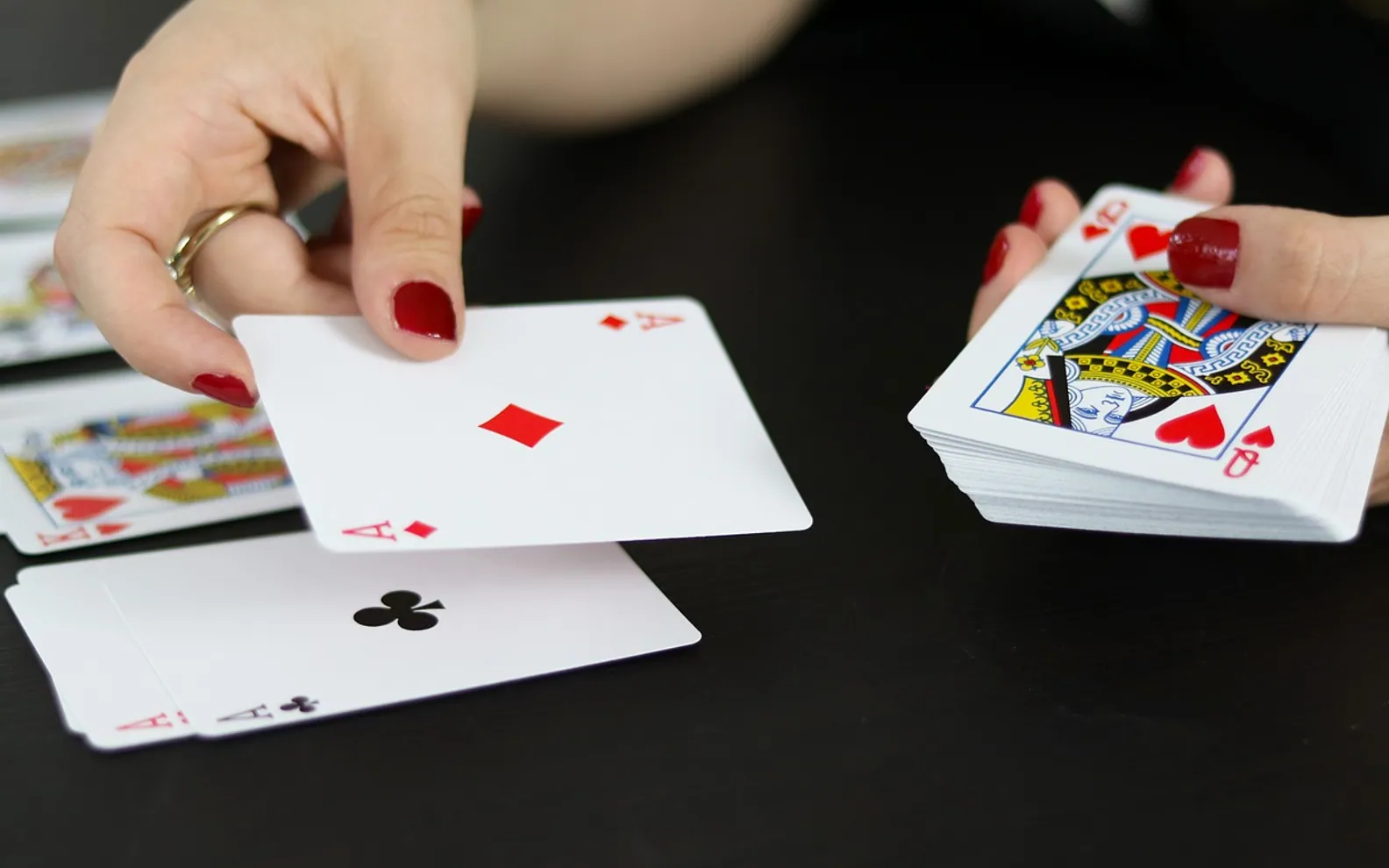
The dealer's upcard lands, it is an ace, and before anyone acts the dealer asks: "Insurance?" The word suggests protection, a sensible precaution against a bad hand. In practice it is something else entirely. Insurance is a separate wager that the dealer's hidden card is a ten-value card, and it has nothing to do with how good or bad your own hand is.
This entry walks through how the bet works, why the standard strategy charts leave it alone, and how the "even money" offer fits into the picture.
How the insurance bet works
Insurance is only offered when the dealer shows an ace. The sequence is the same at almost every table that allows it:
- Every player has their first two cards and can see the dealer's ace.
- The dealer offers insurance before peeking at the hole card.
- Players who accept place a second bet of up to half their original stake, usually on the insurance line printed on the felt.
- The dealer checks the hole card. If it is a ten, jack, queen or king, the dealer has blackjack and the insurance bet pays 2 to 1.
- If the hole card is anything else, the insurance bet is lost and the hand carries on as normal.
Because the insurance stake is half the main bet and pays 2 to 1, a winning insurance bet returns exactly what the main bet loses to the dealer's blackjack. That neat balance is where the name comes from, and it is also why the bet feels safer than it is.
Why the standard charts say no
The bet is easiest to judge by ignoring your own hand and asking one question: how likely is the dealer's hidden card to be worth ten?
A standard deck has four ten-value ranks (ten, jack, queen, king) out of thirteen, so sixteen of its fifty-two cards count as ten. With the dealer's ace already out of the deck, the share of tens sits a little under one in three. A bet that pays 2 to 1 needs to win at least one time in three just to break even. Falling short of that line by even a small margin means the bet loses money on average, every time it is taken.
That gap is why basic strategy charts, for single-deck and shoe games alike, simply recommend declining insurance. It is one of the few blackjack decisions with no exceptions on the chart. The same logic of comparing a payout with the real chance behind it runs through our explainer on how casinos make money from small margins.
"But I have a strong hand"
A common reason for taking insurance is protecting a good total such as 20. The trouble is that a 20 made from two picture cards or tens holds two ten-value cards, which leaves slightly fewer tens in the rest of the deck. The hand you are trying to protect makes the insurance bet a little worse, not better.
"But I have a weak hand"
The opposite instinct is just as common: "I'm probably losing anyway, so I might as well hedge." The insurance bet does not care. Its chance of winning depends on the dealer's hole card, and its price is the same whatever you are holding.
Even money: the same bet with a different label
When you hold a natural and the dealer shows an ace, many tables offer "even money" instead of insurance. Accept it and the dealer pays your original bet at 1 to 1 straight away, before checking the hole card. Your hand is settled and you cannot lose it.
On a table that pays 3 to 2 for blackjack, even money is mathematically identical to taking insurance with a natural. The table below shows why.
| Your choice (10 stake, 3:2 table) | Dealer has blackjack | Dealer does not |
|---|---|---|
| Take even money | Win 10 | Win 10 |
| Take insurance (5) | Main bet pushes, insurance wins 10: net +10 | Natural wins 15, insurance loses 5: net +10 |
| Decline both | Push: 0 | Natural wins 15 |
Even money removes all uncertainty, but it does so at a price. Declining wins 15 most of the time and pushes the rest, and because the dealer's hole card is a ten less than one time in three, declining comes out ahead on average. That is why standard advice turns down even money on 3:2 tables, too, even though a guaranteed win feels hard to refuse.
Where the sums change
On a table that pays only 6 to 5 for a natural, declining wins 12 rather than 15 on a 10 stake, and the comparison is much closer. If a 6:5 table offers even money, it is worth working through the numbers for that game rather than assuming the 3:2 answer carries over. The wider cost of that payout rule is covered in our comparison of 3:2 and 6:5 blackjack tables.
Insurance next to the other optional decisions
Blackjack has a handful of choices that sit outside hit and stand. They are easy to blur together, so it helps to see them side by side.
- Insurance: a side bet on the dealer's hole card, offered only against an ace. Charts decline it.
- Even money: insurance in disguise when you hold a natural. Declined on 3:2 tables.
- Surrender: giving up half your bet to leave a weak hand early. Useful on a small list of hands, explained in our entry on early and late surrender.
- Side bets such as perfect pairs: separate wagers with their own paytables, judged on their own terms.
Online and live-dealer tables
In digital blackjack the offer appears as a pop-up or a pair of buttons the moment the dealer's ace is shown, usually with a short timer. Some games let you set an automatic "never insure" preference in their settings, which removes the temptation to make the decision in a hurry. The rules or help screen will say whether insurance and even money are available and how they are settled.
Live-dealer tables follow the same order as a land-based game: the offer is made to every seat, the decision window closes, and only then does the dealer check the hole card.
A simple way to remember it
Insurance is not a shield for your hand; it is a bet about one card you cannot see, priced so that the house keeps a small edge. Deciding once, before you sit down, that you will turn it down saves a recurring decision under pressure. Tracking your stake in fixed betting units makes it easier to see that every "small" side bet still adds to the total you put at risk.
Blackjack is a game for adults who are playing with money they can spare. Set a limit for the session, accept that the house keeps its edge whichever options you choose, and confirm that casino games are permitted where you live before you take a seat.