Tipping and Bill Etiquette in Korea
- First opened
- Bench time5 minutes
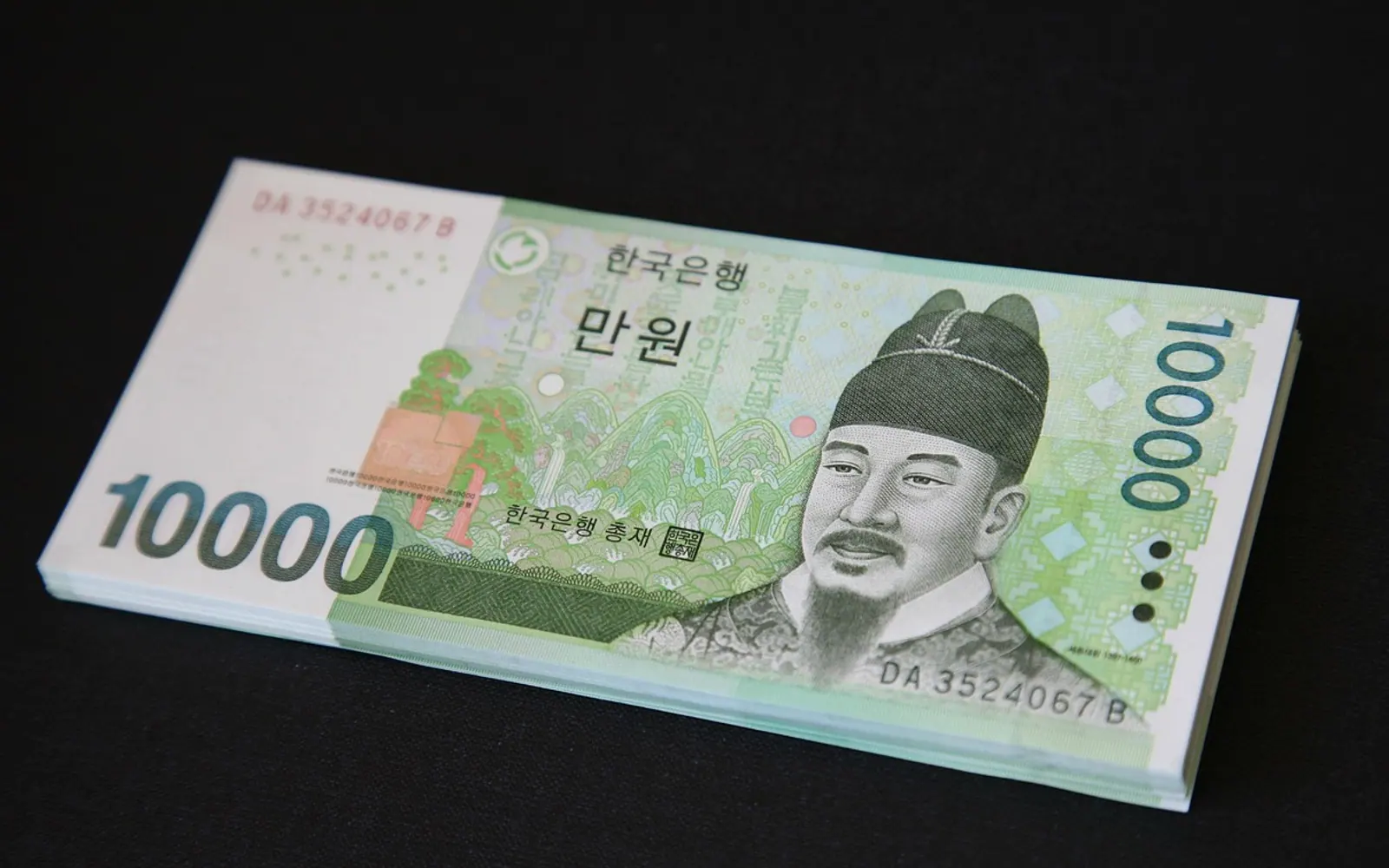
Short answer: in Korea you generally do not tip. Restaurants, cafés, taxis and karaoke rooms price their service into what you see on the menu or the meter, and leaving extra money on the table can cause mild confusion rather than gratitude. The places where an extra charge may appear are mostly upmarket hotels and some of their restaurants, where a service charge is added to the bill itself. For anyone keeping an eye on spending, that is good news: the number you plan for is usually the number you pay.
Quick reference: where extra charges can show up
| Setting | Tip expected? | What to watch for |
|---|---|---|
| Everyday restaurants and cafés | No | Menu price is the full price |
| Taxis | No | Late-night surcharges may apply on the meter |
| Karaoke rooms (noraebang) | No | Charged by time; snacks and drinks are extra |
| Upmarket hotels and their restaurants | No separate tip | A service charge and tax may be added to the bill |
| Tour guides and drivers on private tours | Not required | A small thank-you is sometimes offered, never demanded |
If you are unsure whether a service charge is included, read the menu footer or ask before ordering. It is a normal question and staff will not find it odd.
Paying at the counter, not at the table
Visitors from countries where the server brings the bill often sit waiting for a check that never arrives. In many Korean restaurants the system is different: the bill sits on your table, sometimes clipped to a stand, or is simply tracked by table number. When you are finished, you carry it to the cashier near the door and pay there. Some places use ordering tablets at the table and settle payment the same way, or take payment through the tablet itself.
Cards are accepted almost everywhere, including in taxis, and contactless payment is common. Keeping a little cash is still sensible for small market stalls, but you rarely need much.
Is it rude to ask for separate bills?
Not rude, but less common than in some Western countries. Many cashiers will split a card payment if asked politely, especially in busy student or office areas. In a small family-run restaurant, it is kinder to settle as one payment and sort it out among yourselves afterwards.
Who pays: the group bill and taking turns
Korean social dining has its own gentle rules about money. A few customs are worth knowing:
- The senior or the host often pays. When an older colleague, a manager or whoever issued the invitation is at the table, they may cover the bill as a matter of course.
- Taking turns is normal. Among friends, one person pays for dinner and another picks up the next stop, such as coffee, dessert or the karaoke room. Over many evenings it roughly evens out.
- Splitting evenly is common among peers. Younger groups often divide the total and transfer shares by banking app later, which keeps the counter quick.
- A brief, polite protest is part of the ritual. Offering to pay, being refused and then thanking the payer warmly is the expected exchange. Arguing at length at the cashier is not.
From a budget point of view, the turn-taking custom is worth anticipating. If someone covers dinner for you, it is good form to pick up the next round, so build that into your plan rather than being caught out.
Receipts: keep them, check them
Most counters offer a printed receipt, and card payments generate a digital record too. Glance at it before you leave the counter, especially in hotel restaurants where service charge and tax lines appear, or when your group ordered extra items late in the meal. Keeping receipts from a whole trip makes it easier to see where the money actually went; the same habit sits behind our guide on keeping a written record of what you spend.
Budgeting a night out: dinner, karaoke, taxi
A typical evening in Seoul has three cost blocks, and planning each one separately keeps the total from creeping up.
- Dinner. Check menu prices before you sit down and agree in advance whether the group splits evenly or one person treats.
- Karaoke room. Rooms are usually charged per hour for the whole group, not per person, with drinks and snacks on top. Agree on the length of the booking before you start, because adding time is easy and the total grows quietly. Groups heading to Gangnam can read the Karaoke of Gangnam Official pages in advance to see how karaoke visits in the area work before choosing a room.
- Transport home. Set aside taxi money before the night begins, and remember that late-night fares can be higher. If anyone has had a drink, a taxi or the last train is the only way home; nobody in the group drives.
A simple method is to set an evening total, divide it across these three blocks, and keep a small cushion for the round you may owe a friend.
What if casino visits are on the itinerary?
Some visitors add a casino stop to a city trip. In Korea, most casinos are open to foreign passport holders only, and the rules for residents are strict. If you do go, keep that money completely separate from the dinner-karaoke-taxi budget: it is entertainment for adults aged 18 or over, never a way to earn, and the local law where you are always applies. Our article on enjoying slots without breaking the bank covers setting a limit that stays a limit.
The etiquette in one paragraph
Do not tip, but do say thank you. Carry the bill to the counter, check the receipt, and expect hotel bills to include their own service line. Offer to pay, accept graciously when someone else insists, and quietly cover the next stop in return. Plan dinner, the karaoke room and the ride home as separate amounts, and the evening will end with a bill that matches what you expected.
Latest by topic
Don’t miss these
 Play Online CasinoAre Online Casinos Rigged? How Fairness Is Checked4 minutes
 Slot MechanicsHow Do Slot Machines Pay Out? Credits, Tickets and Hand Pays4 minutes
 Online Casino GuideFrench Roulette: La Partage, En Prison and the Call Bets4 minutes
 Online CasinoKey Things to Know Before Following Satta King Tips Online3 minutes