How Do Casinos Make Money? The Edge, the Hold and the Rake
- First opened
- Bench time4 minutes

Casinos make money mainly through the house edge: every game pays winners slightly less than the true odds of their bet would justify, so a small share of every stake stays with the house over time. Poker is the exception, because players compete against each other; there the casino earns by taking a fee, called the rake, from pots or tournament entries. Sportsbooks build a margin into their odds. Hotels, food, drinks and entertainment add further income at land-based resorts.
The house edge: built into the rules
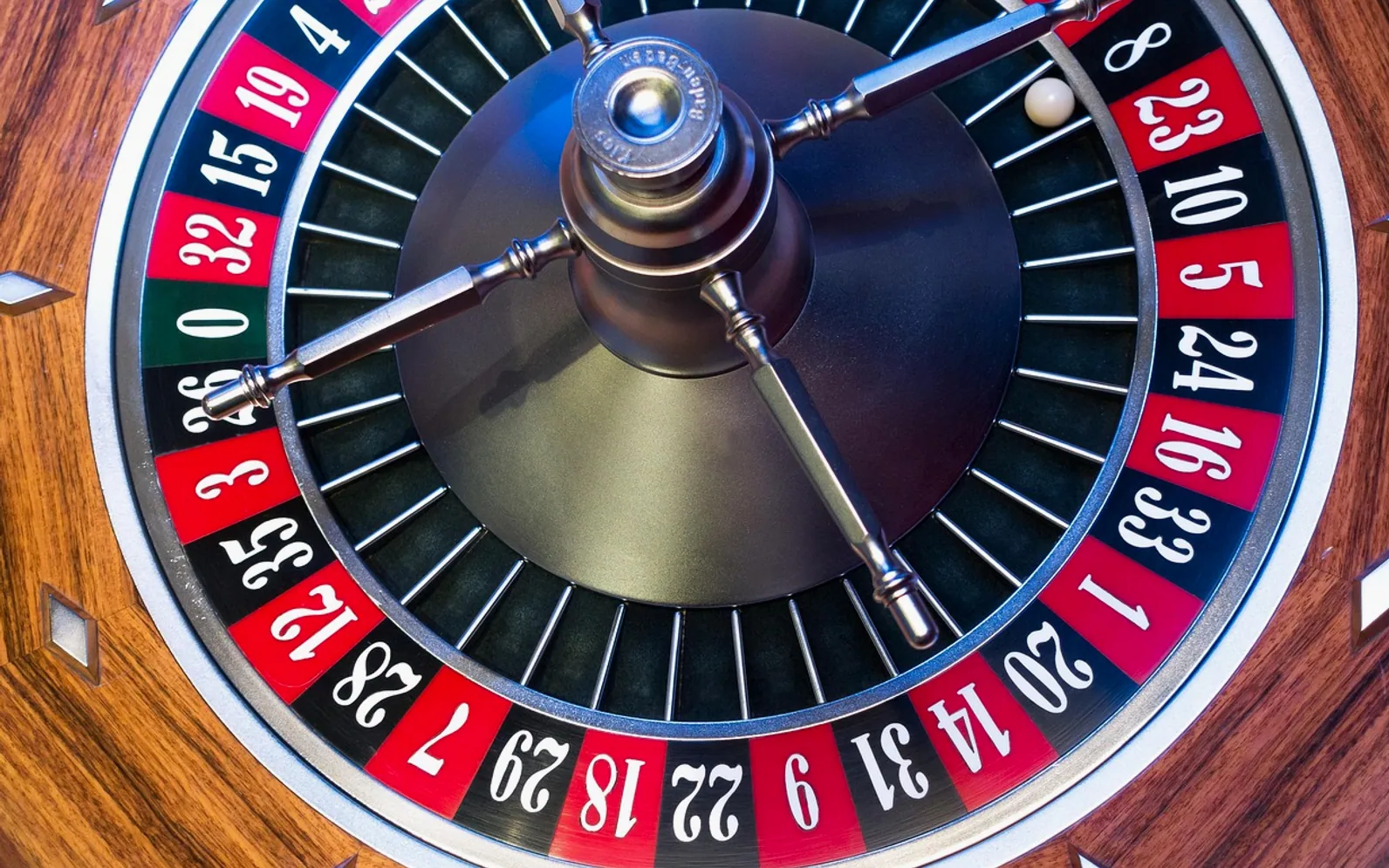
The edge comes from the gap between what a bet pays and how likely it is to win. A single-zero roulette wheel has 37 pockets, so a bet on one number has a 1 in 37 chance, yet it pays 35 to 1. If it paid 36 to 1, the bet would be even over the long run. That one-unit gap, spread across every spin, is the casino's income from the game.
Slots work the same way through their paytables. A game is designed so that, over a very large number of spins, the prizes add up to a little less than the total staked. Table games such as blackjack and baccarat use rules about who acts first, commission on certain bets or reduced payouts to create their edge. Even a simple game like Casino War carries an edge on the main bet and a much larger one on its side bet.
Edge versus hold
Two terms describe casino income and are easy to confuse.
| Term | What it measures | Why it differs |
|---|---|---|
| House edge | The average share of each individual bet kept by the casino | Fixed by the game's rules |
| Hold | The share of money brought to a table or machine that the casino keeps by the end | Depends on how many times players re-bet the same money |
The hold is usually much bigger than the edge because chips and credits are recycled. A player who starts with 100 and keeps staking winnings back might wager several hundred in total over a session. The edge applies to every one of those bets, so the share of the original 100 that is lost can be many times the edge itself. This is why playing longer, faster or with bigger stakes costs more, even on games with a small edge.
Poker: earning from player-vs-player games
In poker the house is not a participant, so it charges for hosting the game. The common methods are:
- Rake. A percentage taken from each pot, usually up to a fixed maximum per hand.
- Time charge. At some live tables, each player pays a set fee per half hour or hour instead of a rake.
- Tournament fees. Entries are split into a prize pool contribution and a fee that the operator keeps.
Because the rake comes out of every pot, it acts as a constant drag on the players at the table as a group. A stronger player can still win from weaker opponents, but only after the rake has been paid, which is one reason sustained poker profit is rare.
Sportsbooks: the margin in the price
Bookmakers set odds so that the probabilities they imply add up to more than 100 percent across a market. The excess is their margin. If a book takes balanced money on each outcome, it earns that margin whatever the result. In practice the money is rarely perfectly balanced, so bookmakers also adjust prices and limits to manage risk. Our pillar on soccer betting odds shows how to spot the margin inside a set of prices.
Online casinos and their costs
Online operators use the same game maths, but they also pay licence fees, game-supplier fees, payment-processing costs and heavy marketing bills. Welcome bonuses are a marketing cost, offset by wagering requirements that keep bonus money in play long enough for the edge to work. High-stakes customers are valuable because their turnover is large, which is why online high rollers are often offered dedicated managers and perks.
Comps and the theoretical loss
Free rooms, meals and loyalty points are not generosity. Casinos estimate each player's theoretical loss, based on average stake, time played and the edge of the games chosen, and return a portion of that estimate as rewards to encourage further visits. A comp is funded by expected losses, not by winnings.
What this means for players
- The edge is not a conspiracy; it is printed in the rules and paytables and applies to everyone.
- The biggest lever you control is total turnover: stake size, speed and session length.
- Games and rules with lower edges make the same budget last longer, but none removes the edge.
- Bonuses and rewards are priced into the business model; read their terms as carefully as a game's rules.
As our article on what share of gamblers make money explains, this structure means players as a group pay for the casino's running costs and profits.
Knowing who pays for the lights helps keep gambling in proportion. It is an adults-only pastime, best treated as a spending decision with a fixed limit, and its legality depends on where you live, so check first.
Latest by topic
Don’t miss these
 Play Online CasinoAre Online Casinos Rigged? How Fairness Is Checked4 minutes
 Slot MechanicsHow Do Slot Machines Pay Out? Credits, Tickets and Hand Pays4 minutes
 Online Casino GuideFrench Roulette: La Partage, En Prison and the Call Bets4 minutes
 Online CasinoKey Things to Know Before Following Satta King Tips Online3 minutes