Casino War Rules: Going to War, Surrendering and the Tie Bet
- First opened
- Bench time4 minutes
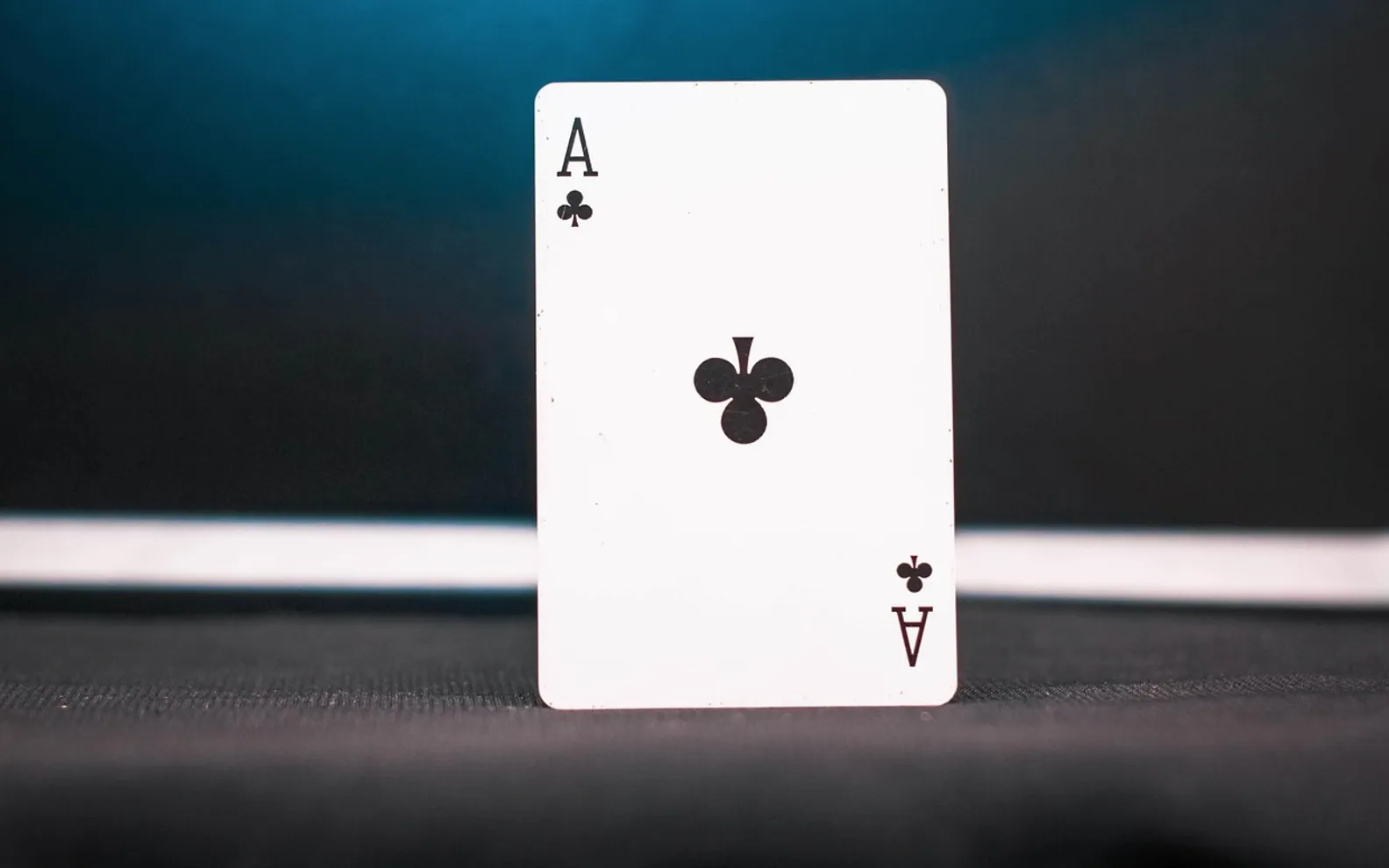
Casino War is one of the simplest table games offered in casinos and online. You and the dealer each receive one card; if yours is higher you win even money, if it is lower you lose your stake. When the two cards match, you choose between surrendering half your bet or "going to war" by doubling your commitment for one more card each. An optional side bet on a tie can be placed before the deal.
That is the whole game. The details below explain the rules most tables use and where the costs sit.
Card ranks and the shoe
Cards rank as in most card games, with the ace high and the two lowest. Suits do not matter, so a seven of hearts and a seven of clubs are equal. The game is normally dealt from a shoe of several decks shuffled together, and the table placard or online help screen states how many.
How a round plays
- You place your main bet, plus the tie bet if you want it.
- The dealer gives you one card face up and takes one card face up.
- If your card is higher, the main bet pays even money. If it is lower, the main bet loses.
- If the cards are the same rank, any tie bet is paid, and you must decide: surrender or go to war.
Surrender or go to war
Surrendering ends the round immediately. You lose half of your main bet and get the other half back.
Going to war means placing a second wager equal to your original one. On most tables the dealer then burns three cards, deals you one card and deals one more to the house. If your new card is equal to or higher than the dealer's, you are paid even money on the raise, and the original bet is returned as a push. If the dealer's card is higher, both bets lose. Some tables pay a small bonus when the war itself ends in another tie; the placard will say so.
Because ties during a war usually favour the player, going to war is generally regarded as the better of the two options on standard rules, while surrendering costs more over time. Neither choice removes the house edge on the main game.
Why the tie bet is expensive
The tie bet commonly pays 10 to 1, although some tables use different figures. To see why it costs more than the main bet, compare the payout with how often ties happen.
With several decks in the shoe, once your card is dealt, a little over seven percent of the remaining cards share its rank, so a tie comes up roughly once in every thirteen or fourteen hands. A 10 to 1 payout would only break even if ties came up once in every eleven hands. The gap between those two figures is the house's margin on the side bet, and it is much wider than on the main wager. Our piece on how casinos make money shows how small margins like this add up across a gaming floor.
The options side by side
| Option | When it applies | What it costs or pays |
|---|---|---|
| Main bet | Every hand | Even money on a higher card; stake lost on a lower one |
| Surrender | After a tie | Half the main bet is lost |
| Go to war | After a tie | Extra stake equal to the main bet; on a win, the raise pays and the original pushes |
| Tie bet | Optional, before the deal | A fixed multiple, often 10 to 1, with a much higher house margin |
Online and live versions
Casino War appears as a digital table driven by a random number generator and, at some sites, as a live-dealer game streamed from a studio. The rules are usually the same, but the number of decks, the tie payout and any war bonus can differ, so the help screen deserves a look. Digital tables can also deal very quickly, which raises the number of hands per hour and with it the total amount wagered.
Myths worth dropping
- "Ties are due after a long gap." The shoe has no memory of past ties, and with several decks in play the chance of a tie barely moves from one hand to the next. The idea that a run of results changes the next card is the same thinking behind streak beliefs in slots.
- "Doubling after a loss wins it back." Raising stakes after losses only increases the amount at risk; it does not change the odds of the next card.
- "Simple game, small risk." The rules are simple, but a fast pace and side bets can make a session more costly than it feels.
Quick answers
Is Casino War a game of skill?
No. The only decision is whether to surrender or go to war after a tie, and the tie bet is optional. Everything else is the luck of the deal.
Why does the dealer burn cards before a war?
It is a tradition that adds a little ceremony to the moment. It does not change the odds of the cards that follow.
Keep a note of what each session costs; a simple gambling diary is enough. Casino games are strictly for adults, are a form of paid entertainment rather than a source of income, and are lawful only in some jurisdictions, so check yours first.
Latest by topic
Don’t miss these
 Play Online CasinoAre Online Casinos Rigged? How Fairness Is Checked4 minutes
 Slot MechanicsHow Do Slot Machines Pay Out? Credits, Tickets and Hand Pays4 minutes
 Online Casino GuideFrench Roulette: La Partage, En Prison and the Call Bets4 minutes
 Online CasinoKey Things to Know Before Following Satta King Tips Online3 minutes